Indie-published Fantasy and SF: How to Find It

Thanks to Alice from Pixabay for this fun royalty-free illustration.

In my last post, I wondered about the big speculative fiction awards and what it means that their “best novel” awards tilt so heavily to those sold by established publishing companies. Some of the short-listed novels this year were indie-published, though–that is, they were published by very small presses or by the author herself.

In the past, indie-published novels–and especially self-published novels–were sneered at. A writer who self-published a novel would be pitied or scorned as a victim of vanity publishing–taken advantage of by predatory “publishing” companies that printed a book cheaply, charged a fortune to the naive writer, forced the writer to buy a lot of copies, and dumped them on her with no editorial or marketing services.

Scams of this type still exist, along with many other scammy, scummy publishing practices. Have you ever thought of writing your own fantasy or SF? Make sure you get to know this well-respected site that helps writers avoid traps for the unwary: Writer Beware, an invaluable service to writers everywhere, sponsored by the Science Fiction and Fantasy Writers Association.

But in the past few decades, many writers have escaped the bounds of traditional publishing. This trend comes as traditional publishing companies have increasingly fallen under the control of conglomerates whose main focus is not books; as these conglomerates have consolidated so that now there are only four or five big traditional publishers, with a corresponding shrinkage of their lists; as the conglomerates have focused increasingly on safe bets like known writers, or writers with big existing platforms (huge numbers of social media followers, for example), and celebrity writers; as the conglomerates have increasingly cut their marketing budgets for all but a few superstar performers. It’s pretty similar to what has happened in the recording industry. As a result, a lot of writers have struck out on their own, with mixed results for most. If the writer is not adept at marketing, her work tends to go unnoticed by readers. And every writer could use an editor! (Well, maybe not Shakespeare. His admirers enthused, “Shakespeare never blotted a line!” To which his colleague Ben Jonson snidely remarked, “Would he had blotted a thousand”–I guess Ben thought even the immortal Will could have used an editor.) All of the tasks of marketing and vetting fall to the writer herself, and that does not work out well for many. On the other hand, many indie-published writers do well, to the great benefit of readers.

FOR YOU, the READER–how do you discover indie-published books you’d like to read? There are ways to do that. Here are just a few speculative fiction indie-published resources:

Blogs by book lovers–a great resource! Here’s a list of one blogger’s top ten indie faves in 2024. Here’s another blogger’s take. And another, this one focusing on fantasy. I should publish my own list!

Commercial sites for book-lovers publish lists of this type. For example, the Amazon-owned site Goodreads publishes this one for SF readers.

Booksellers themselves: My new favorite bookseller platform, Bookshop.org, publishes lists like this, and other sites do as well (Amazon, Barnes&Noble, etc.)

Your friendly librarian. I can’t stress this enough. Librarians know their stuff, and they are trained to find stuff out.

This blog presents a useful list of small presses that publish speculative fiction.

Big review sites like Kirkus Reviews publish lists of indie fantasy and SF. Here’s one.

There are sites helping indie authors promote their books, such as this one for SF.

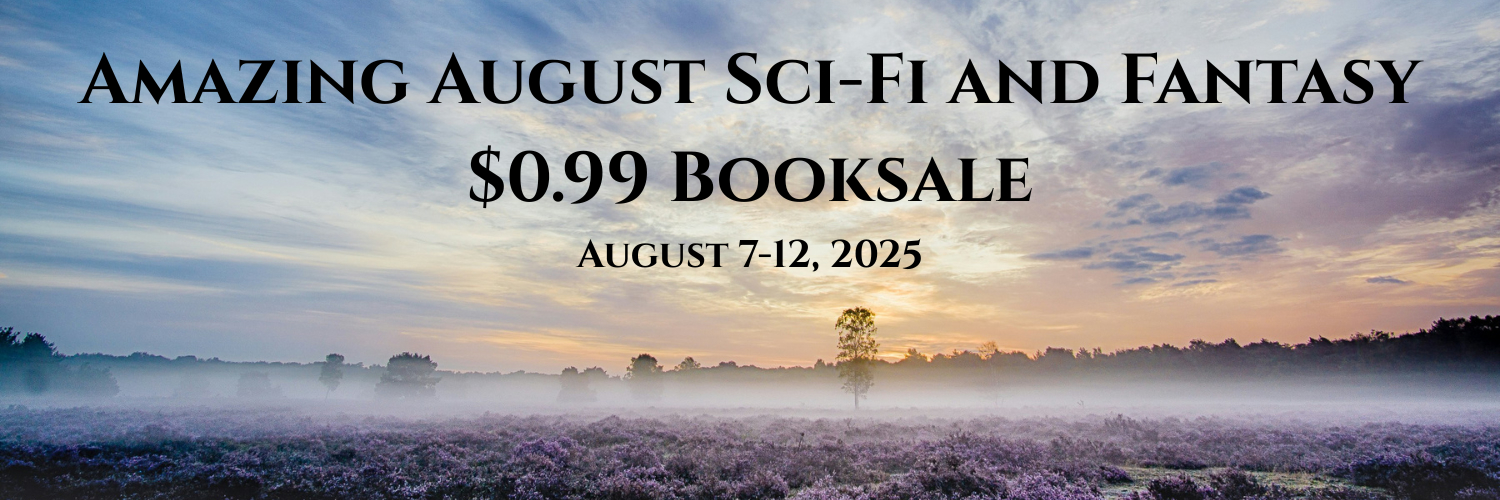
Finally: more DYI attempts within a short timeframe, such as this SF and fantasy book sale happening right now. Full disclosure, shameless self-promotion: I’m in this one! So are a lot of other people, though, so take a look.
2025 Hugo Awards: the last two finalists

The Hugo Awards for 2025 will be announced on August 16, 2025 at Seattle WorldCon.

The finalists for best novel:

Disclaimer: I review only the novels. Go to the Hugo Awards site to find all the other finalists in all the other categories.

And now, wow, two finalists from the same author, Adrian Tchaikovsky. I know nothing about awards and this awards process.* All I do is read and enjoy books. But is this going to be like the Oscars, where two Best Actor nominees from the same film cancel each other out? I hope not, because both of these novels are superb. (*Actually, if you really want to figure some of this out, HERE is a post that demystifies the process.) Neither of the two Tchaikovsky novels has won any of the year’s big speculative fiction awards yet, but they are both great candidates for this one, and both have been double nominees for two of them (Hugo and Locus). If that’s not enough, Tchaikovsky’s series The Tyrant Philosophers is also nominated in the Hugo best series category. Tchaikovsky has quite a history with the Hugo Awards. See his statement HERE about the China controversy.

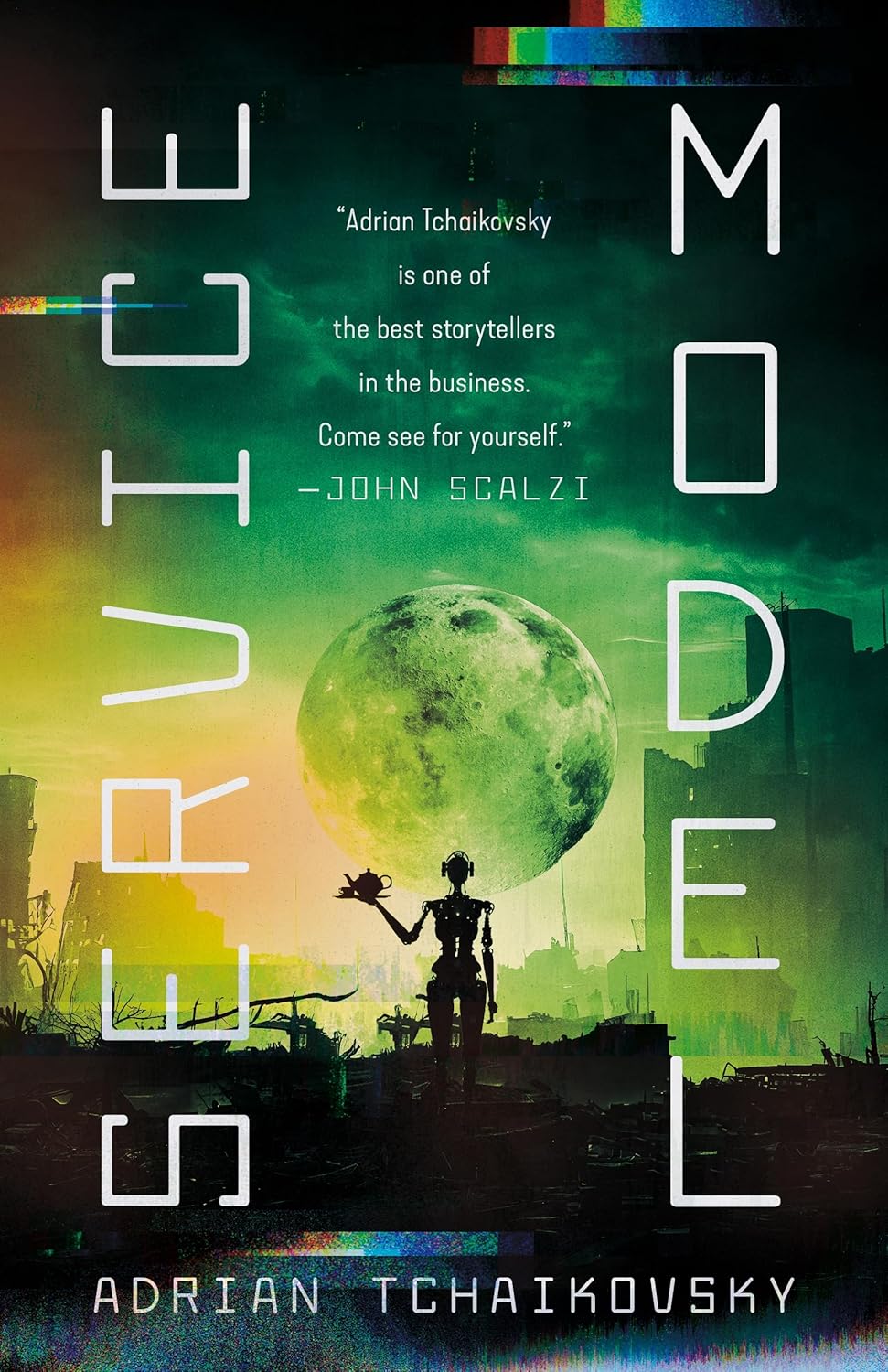
Service Model by Adrian Tchaikovsky (Tordotcom)

Find it HERE.

This Tchaikovsky novel, one of the nominees for the 2025 Hugo Award for best novel, was also short-listed for both the 2025 Arthur C. Clarke Award and the 2025 Locus Award for Best Science Fiction novel. See my review HERE. It’s a delightful novel from the point of view of a robot in the C-3PO mode, but it makes a serious point sorely needed by our world, teetering on the cusp of AI takeover. What is the difference between following a procedure and thinking? What happens when the world is run almost solely by procedure? Readers of speculative fiction are encountering a lot of robot lit these days, everything from the novel that did win this year’s Arthur C. Clarke Award (Sierra Greer’s Annie Bot, reviewed HERE) to kiddie fare like the Pixar animated film Wall-E and the beloved children’s book The Wild Robot (for the animated movie, see HERE). Tchaikovsky’s novel is a brilliant addition.

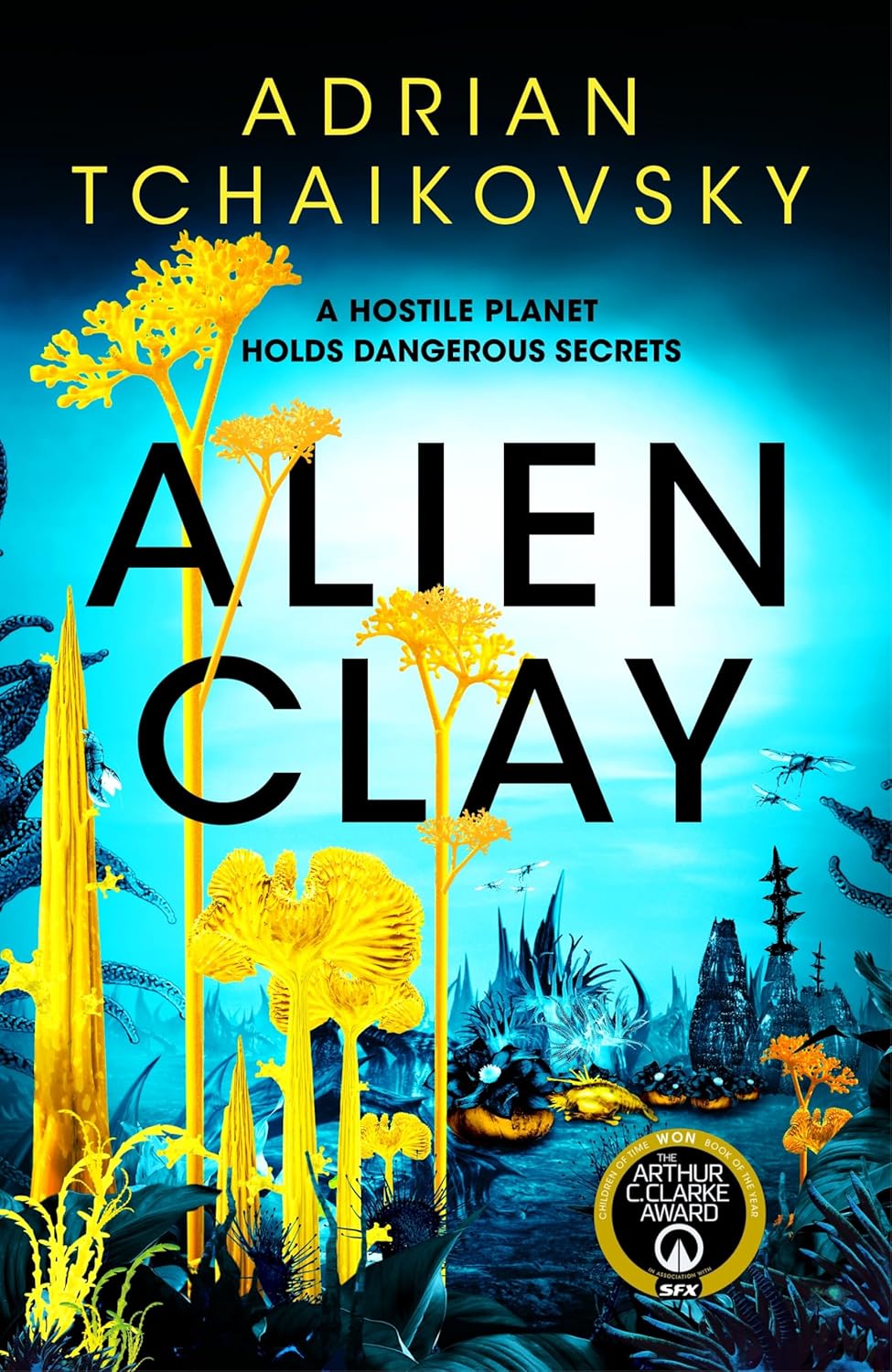
Alien Clay by Adrian Tchaikovsky (Orbit US, Tor UK)

Find out more HERE.

Here’s the other Tchaikovsky novel nominated for this year’s 2025 Hugo Award for best novel. It was also short-listed for the 2025 Locus Award for Best Science Fiction novel. It is an astounding novel of the prison camp/dystopian fascist society type, and it is powerful. But it is more than that. The main character, an exobiologist/ exoecologist named Arton Daghdev, has been sent on a one -way highly dangerous trip to a penal planet. Other colleagues have gotten there before him, some have died in transit, and still others have been executed. Daghdev’s crime is to oppose Earth’s fascist government, especially its received wisdom about science. Manifest Destiny writ large drives Earth’s space exploration, and all science must support the government-approved doctrine of human intelligence that undergirds it. This perversion of science bears the Orwellian name of Scientific Philanthropy.

When Daghdev arrives on the planet Kiln, he realizes that humanity has finally discovered another intelligence. He also quickly understands that its biology does not conform to the orthodoxy Earth’s government demands: that all intelligent life must point to humanity at the pinnacle. So the secret of Kiln is being kept under wraps. Daghdev’s task, one of the less dangerous at the colony, is to help the camp’s superiors develop a plausible-sounding theory forcing Kiln’s alien biology into conformity with Earth’s approved narrative about intelligence. “Our work,” he tells the reader, “is to biology what faking a set of books for the Taxation Mandate is to accountancy. There’s the initial survey [of the alien culture]. . .and then there’s the official record.” If Daghdev does not perform this task to the satisfaction of the petty bureaucrat in charge of the colony, his chances look grim. Then again, everyone’s chances on Kiln look grim.

Tchaikovsky’s novel delves into a problem that has dogged humanity ever since the dawn of the age of science, and still does. Here in the U.S., we might recall the so-called Scopes Monkey Trial, where a court in Tennessee tried to suppress the teaching of evolution, so shocked were certain parts of the public to think that humans might have evolved from earlier hominids. Lest anyone delude themselves into thinking this controversy is a dead part of history, I will just point you to recent U.S. news and book bannings. However, even after evolution became an almost universally acknowledged theory about how human beings and human intelligence evolved, there were still people out there trying to subvert it. People still publish that old diagram of a series of knuckle-dragging apes culminating in an upright human, while evolution is more like a shrub or tree with many branchings–and that itself is a huge over-simplification. Sorry, scientists!

NOPE

Tchaikovsky’s novel is not just about the dangers of totalitarianism but also about the dangers and temptations of human beings misunderstanding their relationship with nature. It’s an exciting book about alien discoveries, alien planets, and the fiendish puzzle of busting out of a seemingly hyper-max prison (and into what? a land that will kill you?). It’s also about the human stain, human hubris. Human clay, in other words, transposed to an alien setting. It’s a wonderful novel. I sped through it, and now I am re-reading it more closely.

AND NOW–it’s time to wait for the judges’ decision on Aug. 16th. Meanwhile, there are more awards lists to repurpose into your very own 2025 speculative fiction reading list, and I’ll be reporting on those soon.

Hugo Awards 2025: Two More Finalists

The Hugo Awards for 2025 will be announced on August 16, 2025 at Seattle WorldCon.

The finalists for best novel:

  • Service Model by Adrian Tchaikovsky (Tordotcom)
  • Alien Clay by Adrian Tchaikovsky (Orbit US, Tor UK)

Disclaimer: I review only the novels. Go to the Hugo Awards web site to find the finalists in other categories.

Today’s will be an easy post for me to write, because I have already reviewed the two books I’m mentioning. I do have a few things to add, though, and if you missed my earlier posts with the reviews and you are following/reading these novels, I will link to them in this post.

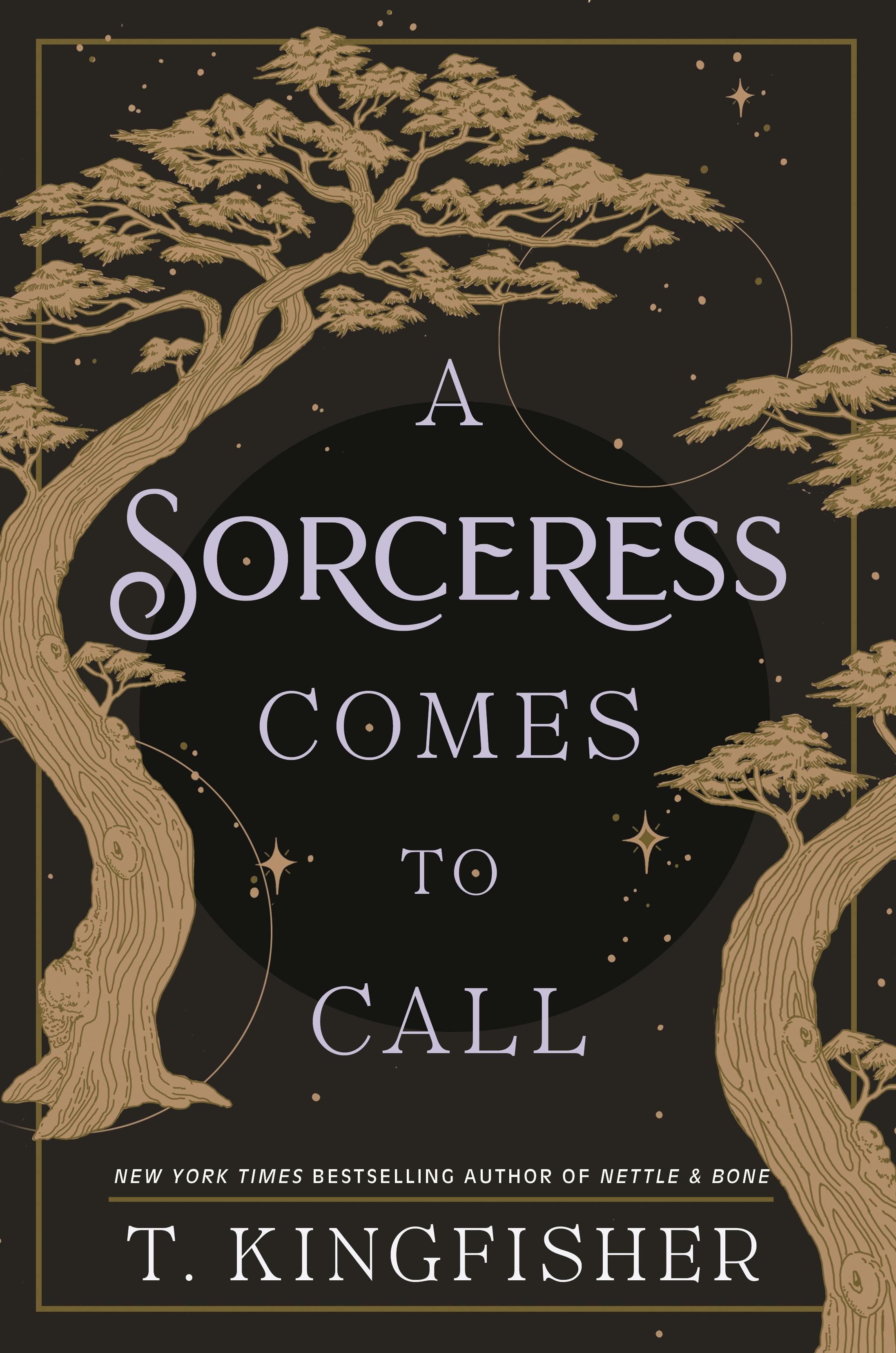
A Sorceress Comes to Call by T. Kingfisher (Tor)

Learn more HERE.

T. Kingfisher is the pen name of the author Ursula Vernon, who writes under both names for different audiences–T. Kingfisher for adults/young adults, and Ursula Vernon for children. She is a force! See her web site–here it is again–to enter her kingdom of delights. A Sorceress Comes to Call is fantasy, but it appeals to Bridgerton/Regency romance and cozy house mystery readers as well. See my review HERE. A Sorceress Comes to Call was short-listed for the 2025 Nebula Awards and won the 2025 Locus award for best fantasy novel. It is so much fun to read.

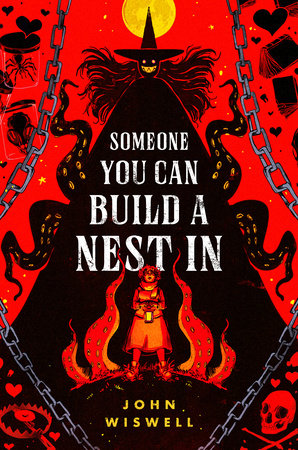
Someone You Can Build a Nest In by John Wiswell (DAW)

Find it HERE.

This novel is simply amazing. Not only is it highly entertaining, but it also deals with important issues–a great combination. See my review for it HERE, as one of my posts about novels short-listed for the 2025 Nebula Awards, and my mention HERE, when it won the 2025 Nebula Award for best novel. It also won the 2025 Locus Award for best first novel. Now here it is, short-listed for the Hugos too. Here’s a fascinating conversation with the author.

NEXT UP: The last two short-listed novels for the 2025 Hugo Awards.