
What is it about awards and the striving for prizes? We humans get a big thrill out of the drama of it all. My recent posts have covered some of the biggest speculative fiction awards. I’ve been reading the nominated novels and making my own decisions, then seeing how they measure against the judges’. It’s fun. It’s the love of the horse-race.
But is that a good way to read, and to get reading recommendations? Speaking for myself, the short-lists for these awards have given me a marvelous TBR of science fiction and fantasy. These are not, of course, the only good books. They may not even be the best books. The lists are subject to flawed systems of judgment, for one thing. For the most part, the books on the lists are so-called “trad published” books. (They’re all pretty great books.)
What about the indie-published books out there? Some of the awards lists do include them, and I tip my hat to that decision process. As an indie-published author myself, I can tell you that with a few lucky exceptions, many readers don’t even know most indie-published books exist. Indie authors may or may not be good marketers of their works, and they sure don’t have the marketing resources of a publishing company to draw upon. Increasingly, though, that kind of marketing support is hard to come by, even for the authors these companies publish. They might reserve their big marketing bucks for proven best-sellers or books by celebrities (and those may or may not be good books, may or may not actually be written by those celebrities–it’s the name recognition that sells the books). Still, one function of a publishing company is to serve as a gate-keeper, weeding out the trash from the treasure and presenting readers with only the treasure. With indie-published books, the authors are on their own to make their case to the readers, and the readers are on their own to wade through the ocean of stuff on offer to find the treasure and sift it from the trash. And then, of course, one reader’s trash is another reader’s treasure! In spite of the odds, I’m happy to see that some indie-published novels do make it onto these awards lists. In a coming post, I hope to give a guide to finding good indie-published SF and fantasy.
THE LOCUS AWARDS
Last year, I spent several posts on the Locus Awards, and I haven’t done that this year. The Locus list is just too massive. I only review books I’ve read myself. Also, some items on that list aren’t the type of work or genre I read (horror, for example). I wouldn’t be able to offer anything interesting to say about those. But this year’s Locus Awards winners and short-listed novels do offer one more wonderful resource for readers. Subscribers to Locus Magazine vote on these awards, and they are all readers who know and love SF and fantasy. Others can vote as well, although their votes aren’t weighted as heavily. Here are the winners and short-listed novels in the two categories I do read, SF and fantasy, as well as the First Novel list. I haven’t read all of these books, but I can see I need to work on that!
SCIENCE FICTION NOVEL
- WINNER: The Man Who Saw Seconds, Alexander Boldizar (Clash)
- Rakesfall, Vajra Chandrasekera (Tordotcom; Solaris) Reviewed in one of my posts about the Nebula Awards short list HERE.
- The Mercy of Gods, James S.A. Corey (Orbit US; Orbit UK)
- The Bezzle, Cory Doctorow (Tor; Ad Astra UK)
- The Imposition of Unnecessary Obstacles, Malka Older (Tordotcom)
- Kinning, Nisi Shawl (Tor)
- Alien Clay, Adrian Tchaikovsky (Tor UK; Orbit US) Reviewed in one of my posts about the Hugo Awards short list HERE.
- Service Model, Adrian Tchaikovsky (Tordotcom; Tor UK) Reviewed in one of my posts about the Arthur C. Clarke Awards HERE, and mentioned in one of my posts about the Hugo Awards short list HERE.
- Space Oddity, Catherynne M. Valente (Saga; Corsair UK)
- Absolution, Jeff VanderMeer (MCD; Fourth Estate UK)
FANTASY NOVEL
- WINNER: A Sorceress Comes to Call, T. Kingfisher (Tor; Titan UK) Reviewed in one of my posts about the Nebula short list HERE, and mentioned in one of my posts about the Hugo short list HERE.
- I’m Afraid You’ve Got Dragons, Peter S. Beagle (Saga)
- The Tainted Cup, Robert Jackson Bennett (Del Rey; Hodderscape UK) Reviewed in one of my posts about the Hugo Awards short list HERE. It is also short-listed for the 2025 World Fantasy Awards in the best novel category. See my upcoming post this fall.
- The Dead Cat Tail Assassins, P. Djèlí Clark (Tordotcom)
- The Bright Sword, Lev Grossman (Viking; Del Rey UK)–I am reading this right now as I plow through all of the World Fantasy Awards nominees. Look for my post about that this fall.
- Asunder, Kerstin Hall (Tordotcom) Reviewed in one of my posts about the Nebula short list HERE.
- Somewhere Beyond the Sea, TJ Klune (Tor; Tor UK)
- The Siege of Burning Grass, Premee Mohamed (Solaris UK)
- Long Live Evil, Sarah Rees Brennan (Orbit US; Orbit UK)
- The City in Glass, Nghi Vo (Tordotcom)
FIRST NOVEL
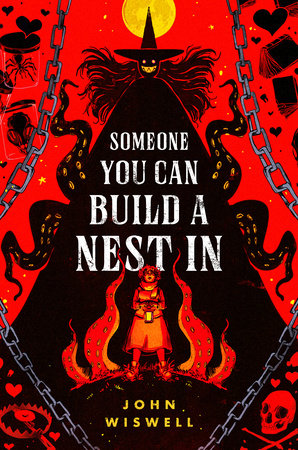
- WINNER: Someone You Can Build a Nest In, John Wiswell (DAW; Arcadia UK) Reviewed in one of my posts about the Nebula short list/award HERE, and HERE, and mentioned in one of my posts about the Hugo short list HERE.
- The Ministry of Time, Kaliane Bradley (Avid Reader; Sceptre UK) Reviewed in one of my posts about the Arthur C. Clarke short list HERE, and mentioned in one of my posts about the Hugo short list HERE.
- The Cautious Traveller’s Guide to the Wastelands, Sarah Brooks (Flatiron; Weidenfeld & Nicolson)
- Sargassa, Sophie Burnham (DAW)
- Lady Eve’s Last Con, Rebecca Fraimow (Solaris UK)
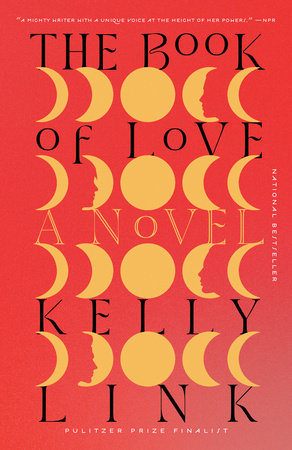
- The Book of Love, Kelly Link (Random House; Ad Astra UK) Reviewed in one of my posts about the Nebula short list HERE.
- The West Passage, Jared Pechaček (Tordotcom)
- The Spice Gate, Prashanth Srivatsa (Harper Voyager US; Harper Voyager UK)
- Womb City, Tlotlo Tsamaase (Erewhon)
- Hammajang Luck, Makana Yamamoto (Gollancz; Harper Voyager US 2025)
OTHER AWARDS
I could spend my entire life reading books nominated for awards! HERE is a handy list of major awards. If you are looking for great SF and fantasy to read, the nominees for these awards are a great starting point. For example, Adrian Tchaikovsky’s Alien Clay got a special mention by the Philip K. Dick Awards this year. Other great reads are listed among the nominees for the British Fantasy Awards, the British SF Association Awards (Alien Clay was nominated for best novel there, too), and more–and that’s not even mentioning awards for short fiction, young adult fiction, films, and other categories I don’t often deal with in this blog.
Many Other Ways to Choose Good Reading
Getting bored with the horse-race approach? Consider these–also consider I’m recommending them via a U.S. base, so all of them may not work for you if you live elsewhere in the world:
- Best-seller lists: New York Times, other major media.
- Book review sections of newspapers and magazines, such as The New Yorker, The Atlantic, and major newspapers, as well as in specialized publications such as Locus Magazine.
- Recommendations by bookseller platforms like Amazon, Barnes & Noble, Kobo, and the like–and my new favorite source for e-books, bookshop.org, which allows you to give an indie bookstore credit for each ebook you purchase (available in the U.S. and U.K.). You can also order print books through Bookshop. If you use these platforms, they may recommend other books you’ll like, based on your purchase patterns and also what their algorithms tell them about you. I distrust these algorithms myself, having seen too much of the pay-to-play inside of one of these platforms, which shall be nameless, but they may work for you.
- Websites and blogs. (Like this one!)
- Newsletters with curated reading lists. I publish one myself. It’s a lot about me, but I do include lists of other authors to read. If you’d like to subscribe, send a message to shrikepublications@outlook.com.
- Clubs and societies of SF and fantasy fans, from the huge to the local.
- Social media groups of like-minded readers. I’m partial to Bluesky, which has great conversations about books. Follow me at jmcfwiseman@bsky.social and other book-lovers you’ll find there. Search for the BookSky posts especially. There are other groups and posts at Facebook, X, TikTok, Instagram, Goodreads, and on and on.
- A fantastic resource: your public library! ASK A LIBRARIAN! Even better, check out books there for free. (I’m U.S-based, so I’m referring to the system here–yours may differ.)
- And of course, if you’re anything like me, you and your reader friends have a lot of opinions to share. Word of mouth, baby!
Thanks for the royalty-free illustration at the top of this post: Image by Gordon Johnson from Pixabay

 Fantastes
You must be logged in to post a comment.