The Hugo Awards for 2025 will be announced on August 16, 2025 at Seattle WorldCon.
The finalists for best novel:
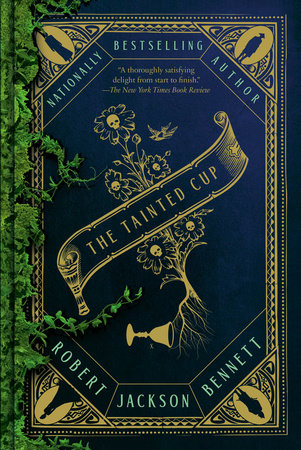
- The Tainted Cup by Robert Jackson Bennett (Del Rey, Hodderscape UK)
- The Ministry of Time by Kaliane Bradley (Avid Reader Press, Sceptre)
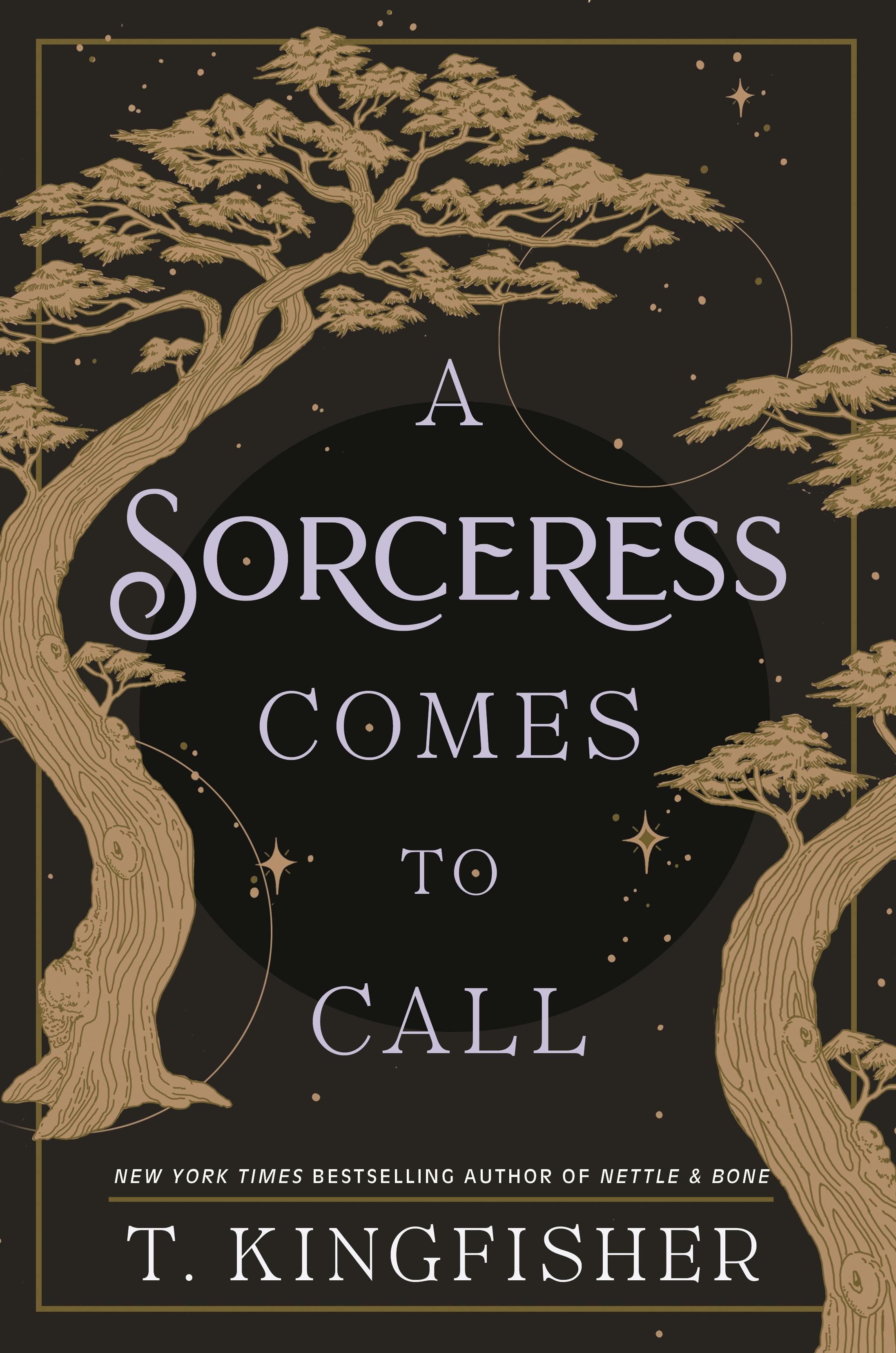
- A Sorceress Comes to Call by T. Kingfisher (Tor)
- Service Model by Adrian Tchaikovsky (Tordotcom)–mentioned in this post
- Alien Clay by Adrian Tchaikovsky (Orbit US, Tor UK)–reviewed in this post
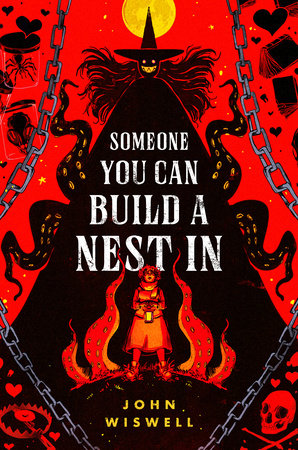
- Someone You Can Build a Nest In by John Wiswell (DAW)
Disclaimer: I review only the novels. Go to the Hugo Awards site to find all the other finalists in all the other categories.
And now, wow, two finalists from the same author, Adrian Tchaikovsky. I know nothing about awards and this awards process.* All I do is read and enjoy books. But is this going to be like the Oscars, where two Best Actor nominees from the same film cancel each other out? I hope not, because both of these novels are superb. (*Actually, if you really want to figure some of this out, HERE is a post that demystifies the process.) Neither of the two Tchaikovsky novels has won any of the year’s big speculative fiction awards yet, but they are both great candidates for this one, and both have been double nominees for two of them (Hugo and Locus). If that’s not enough, Tchaikovsky’s series The Tyrant Philosophers is also nominated in the Hugo best series category. Tchaikovsky has quite a history with the Hugo Awards. See his statement HERE about the China controversy.
Service Model by Adrian Tchaikovsky (Tordotcom)
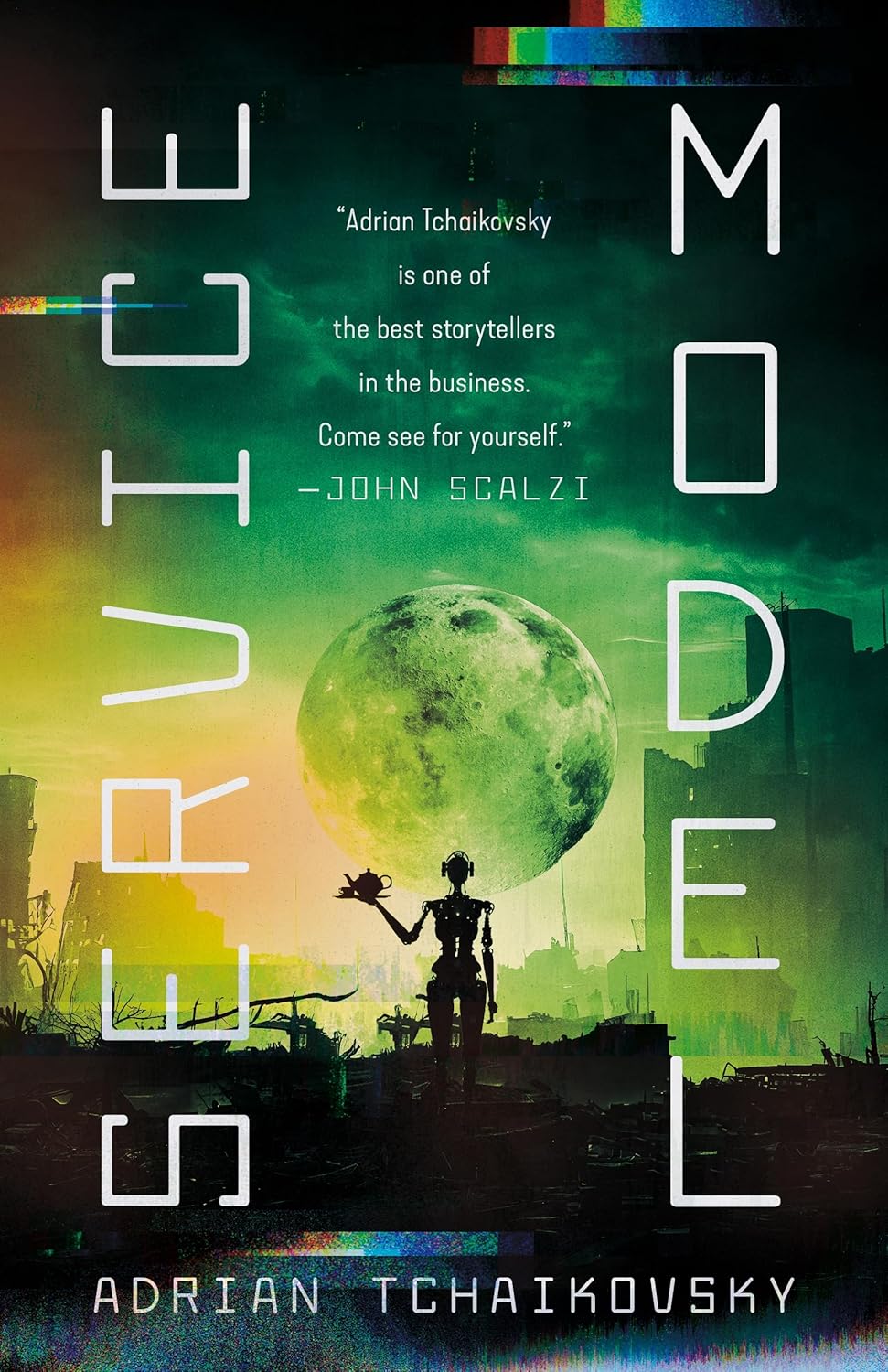
This Tchaikovsky novel, one of the nominees for the 2025 Hugo Award for best novel, was also short-listed for both the 2025 Arthur C. Clarke Award and the 2025 Locus Award for Best Science Fiction novel. See my review HERE. It’s a delightful novel from the point of view of a robot in the C-3PO mode, but it makes a serious point sorely needed by our world, teetering on the cusp of AI takeover. What is the difference between following a procedure and thinking? What happens when the world is run almost solely by procedure? Readers of speculative fiction are encountering a lot of robot lit these days, everything from the novel that did win this year’s Arthur C. Clarke Award (Sierra Greer’s Annie Bot, reviewed HERE) to kiddie fare like the Pixar animated film Wall-E and the beloved children’s book The Wild Robot (for the animated movie, see HERE). Tchaikovsky’s novel is a brilliant addition.
Alien Clay by Adrian Tchaikovsky (Orbit US, Tor UK)
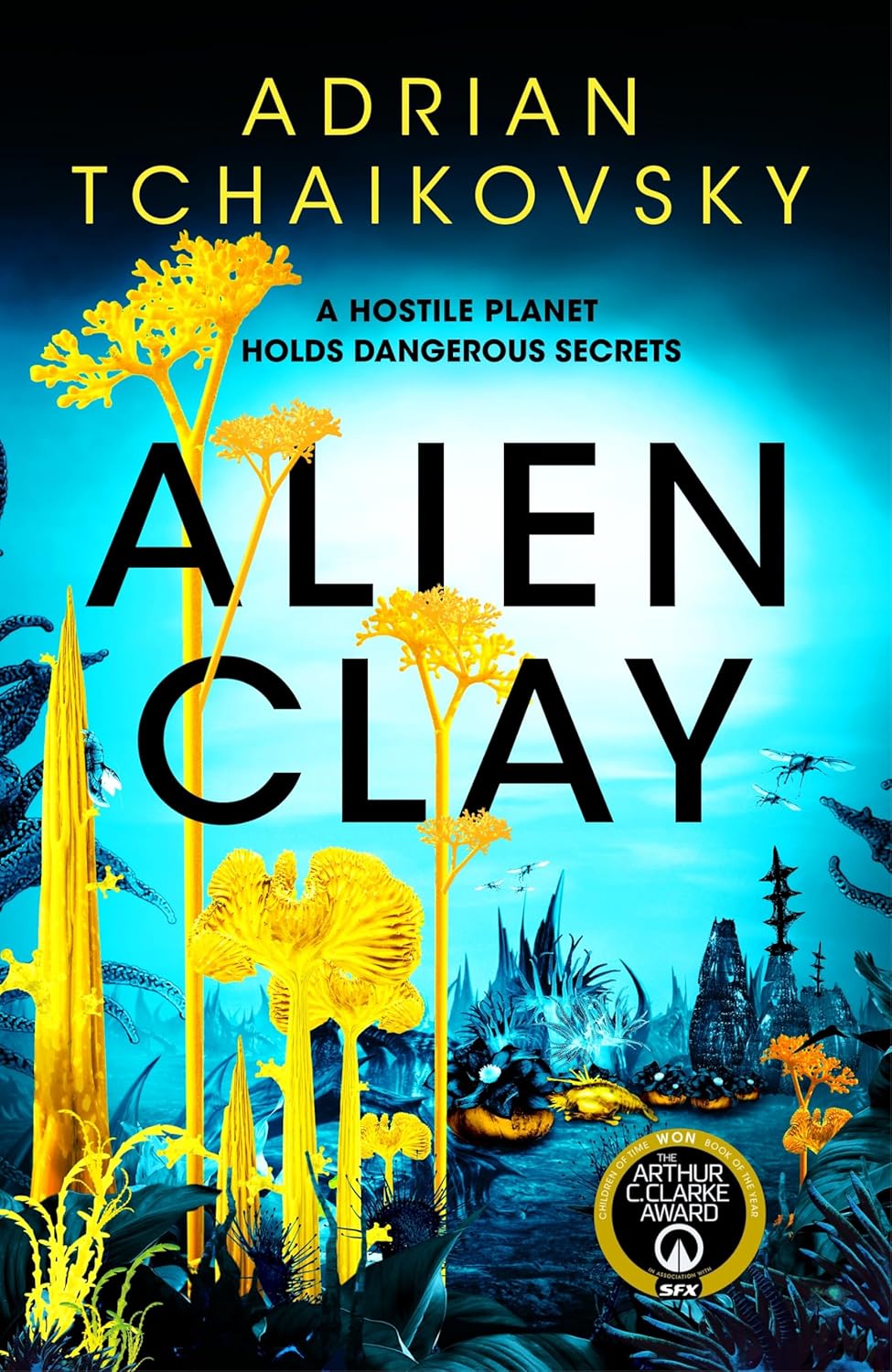
Here’s the other Tchaikovsky novel nominated for this year’s 2025 Hugo Award for best novel. It was also short-listed for the 2025 Locus Award for Best Science Fiction novel. It is an astounding novel of the prison camp/dystopian fascist society type, and it is powerful. But it is more than that. The main character, an exobiologist/ exoecologist named Arton Daghdev, has been sent on a one -way highly dangerous trip to a penal planet. Other colleagues have gotten there before him, some have died in transit, and still others have been executed. Daghdev’s crime is to oppose Earth’s fascist government, especially its received wisdom about science. Manifest Destiny writ large drives Earth’s space exploration, and all science must support the government-approved doctrine of human intelligence that undergirds it. This perversion of science bears the Orwellian name of Scientific Philanthropy.
When Daghdev arrives on the planet Kiln, he realizes that humanity has finally discovered another intelligence. He also quickly understands that its biology does not conform to the orthodoxy Earth’s government demands: that all intelligent life must point to humanity at the pinnacle. So the secret of Kiln is being kept under wraps. Daghdev’s task, one of the less dangerous at the colony, is to help the camp’s superiors develop a plausible-sounding theory forcing Kiln’s alien biology into conformity with Earth’s approved narrative about intelligence. “Our work,” he tells the reader, “is to biology what faking a set of books for the Taxation Mandate is to accountancy. There’s the initial survey [of the alien culture]. . .and then there’s the official record.” If Daghdev does not perform this task to the satisfaction of the petty bureaucrat in charge of the colony, his chances look grim. Then again, everyone’s chances on Kiln look grim.
Tchaikovsky’s novel delves into a problem that has dogged humanity ever since the dawn of the age of science, and still does. Here in the U.S., we might recall the so-called Scopes Monkey Trial, where a court in Tennessee tried to suppress the teaching of evolution, so shocked were certain parts of the public to think that humans might have evolved from earlier hominids. Lest anyone delude themselves into thinking this controversy is a dead part of history, I will just point you to recent U.S. news and book bannings. However, even after evolution became an almost universally acknowledged theory about how human beings and human intelligence evolved, there were still people out there trying to subvert it. People still publish that old diagram of a series of knuckle-dragging apes culminating in an upright human, while evolution is more like a shrub or tree with many branchings–and that itself is a huge over-simplification. Sorry, scientists!

Tchaikovsky’s novel is not just about the dangers of totalitarianism but also about the dangers and temptations of human beings misunderstanding their relationship with nature. It’s an exciting book about alien discoveries, alien planets, and the fiendish puzzle of busting out of a seemingly hyper-max prison (and into what? a land that will kill you?). It’s also about the human stain, human hubris. Human clay, in other words, transposed to an alien setting. It’s a wonderful novel. I sped through it, and now I am re-reading it more closely.
AND NOW–it’s time to wait for the judges’ decision on Aug. 16th. Meanwhile, there are more awards lists to repurpose into your very own 2025 speculative fiction reading list, and I’ll be reporting on those soon.
 Fantastes
You must be logged in to post a comment.