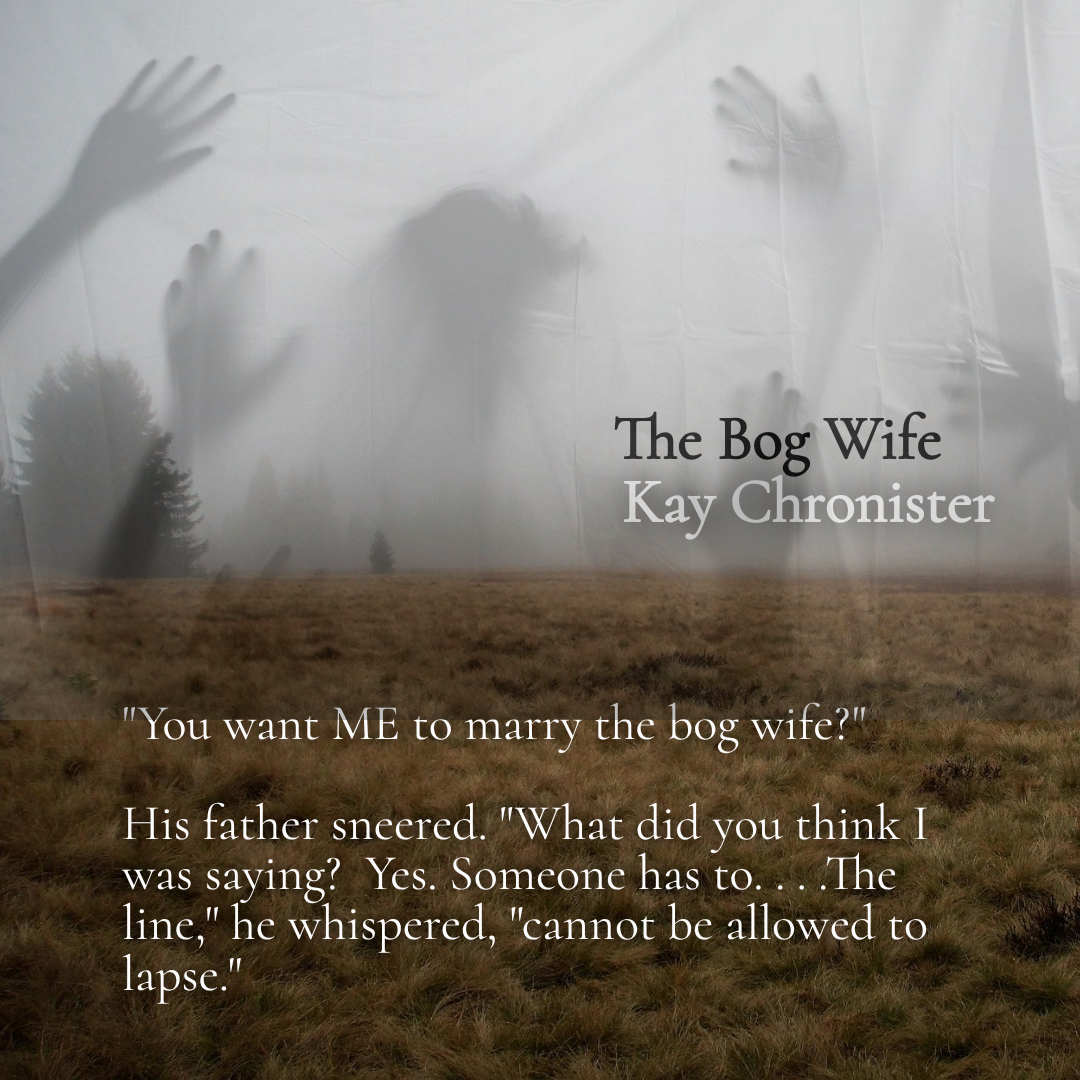
Chronister’s novel was short-listed for the 2025 World Fantasy Award. It’s an astounding read. See my review HERE.

The 2025 World Fantasy Awards will be announced at the World Fantasy Convention, held this year in Brighton UK on Oct. 30-Nov. 2, 2025. Here I am, deep in my quest to read and review all the novels short-listed for the award.
The list and my next review–and. . an editing mistake corrected:
The Tainted Cup, Robert Jackson Bennett (Del Rey; Hodderscape)–This novel won the 2025 Hugo Award and was short-listed for the Locus Award. Mentioned in my preceding post, reviewed in my posts about the 2025 Hugo nominees.
The Fox Wife, Yangsze Choo (Holt; Quercus UK)–a wonderful overlay of Chinese folklore on the early 20th century historical conflict between China and Japan. Reviewed in my preceding post.
The Bog Wife, Kay Chronister (Counterpoint; Titan UK)–what IS this thing? Southern/Appalachian Gothic? Magical Realism? Fascinating read–reviewed in this post.
The Bright Sword, Lev Grossman (Viking; Del Rey UK)–combined Monty Pythonesque and Malory Morte-D’Arthur-esque massive novel about the Arthurian world in decline.
The Wings Upon Her Back, Samantha Mills (Tachyon)–What if profound disillusionment causes you to lose your wings? What would you do to get them back?
How to categorize The Bog Wife is a bit of a puzzle. It is set in the U.S. Appalachian region, but it’s not a realistic novel akin to Barbara Kingsolver’s Demon Copperfield [oh no! Big editing oversight. The title of this marvelous book is Demon Copperhead. I could say I was swept away by the David Copperfield allusions in Kingsolver’s novel–or just admit I blew it. I blew it! Big apologies!] or Ann Pancake’s Strange As This Weather Has Been. By contrast, and almost right away, you realize Chronister’s novel has a gothic feel. But it’s not “Southern Gothic” (Appalachian Gothic, I should say–its close relative). So what is it? It’s absolutely not a regulation epic fantasy with swords and sorcery. From the cover art on in, no one could possibly mistake it for Tolkien-inspired high fantasy. Can we call Chronister’s book by that mysterious label, magical realism?
Chronister’s novel starts out like a bad M. Night Shyamalan movie but then moves into realism. Here’s a family dominated by its crazed patriarch and cut off from regular civilization–a scenario that could and has happened in real life. Yet from the beginning, a sense of foreboding lets you know a sociological explanation for this family’s woes is not going to give you the whole story. Various family members take turns telling you the story, and each one has a different take on the events as they unfold.
As I read on, I wondered–will the plot amount to smoke and mirrors like those Shyamalan movies or filmed stories with more atmosphere than sense, like The Witch or the HBO series Carnivale? Thankfully no. By the end, though, Chronister’s novel does take a definite and defining lurch into fantasy and magic. Coming so late in the book as it does, I’m amazed that this strange turn actually works. But it does. It so does. As I finished it, I was reminded of books like Sarah Perry’s The Essex Serpent. I really admired Chronister’s novel. (And in spite of the similar title–and some folkloric elements of its own–it’s nothing at all like The Fox Wife!)
What is “Magical Realism”? A type of fiction that’s not fantasy but can maybe be called “fantasy-adjacent.” Usually, magical realism is characteristic of novels that we might call “literary.” Then again, the distinction between “literary” and “genre” fiction is often arbitrary and unhelpful. HERE is a good quick introduction to magical realism. The features I especially connected to Chronister’s novels are:
If this makes the novel seem stranger and more experimental than your usual read, don’t be put off. It is enthralling.
 Fantastes
You must be logged in to post a comment.