Here it is, the day we celebrate what we love–and the end of Fairytale Fantasy Week. This year’s theme: Robin Hood retellings.
This year was especially difficult. When I began, months ago, to search for books to feature in these posts, I had a hard time of it. I read dozens of samples of books that revealed bad writing or inappropriate subject matter. I even read all or parts of whole books leading me to feel, ultimately, I didn’t have much positive to say about them. I don’t like to trash books in this space. I’m a writer, too, and I know how hard it is to conceive of a book, write it, edit it, and then try to get it seen.
I’m not even sure why there aren’t more good Robin Hood books out there. He’s a very popular fellow! As it turns out, there are tons of Robin Hood retellings, but most of them didn’t do that magical thing for me that any novel needs to do for any reader.
At the end of the process, sometimes reading right up to my deadline, I did find some good books. Many of them (most of them?) don’t qualify as fantasy, at least not the kind of fantasy that involves magic and wizards and wands and such. But a fairytale retelling is always, in some ways, fantasy. The characters are not real. They are legend. In the end, many of the best Robin Hood retellings are, I discovered, historical fiction. I suppose people keep wanting to think of Robin as real. They keep saying, “What if he WERE real? What would he be like? What world would he inhabit?”
You may beg to differ. There are several other historical novels in the mix, all of them admirable in many ways. And if you love YA, there are several of those, too. I suppose the novels by Safi and Spooner, listed above, could be considered YA. For me, they are just good novels that I think any reader could enjoy at any age. OR I may have left your favorite Robin Hood retelling off my list entirely. BUT here’s a truth: Every reader is different. Every novel is a different experience for every reader.
. . . and that’s why everyone loves Robin Hood. What is a rogue, exactly? The American Heritage Dictionary of the English Language gives this as its first definition: “An unprincipled, deceitful, and unreliable person; a scoundrel or rascal.” But it gives THIS as its second definition: “One who is playfully mischievous; a scamp.” There’s a fine line, admittedly, between “scoundrel” and “scamp,” but we all know it when we see it.
Robin Hood flouts the law. But he flouts the law with flair. And, according to those theorists of the “social bandit,” he does it because the law is wrong and unfairly administered. Robin the rogue is a hero. So folk heroes like Robin take on a life of their own, appearing over and over again in popular culture–ballads, told tales, books, later on movies, wherever an audience wants the thrill of seeing someone give the finger to overbearing authority and (this is the important takeaway) get away with it. Think Subway Sandwich Man. Standing up for the little guy, speaking truth to power with only a hoagy for weapon. We love that man, and so did the jury.
Who are some other famous rogues we love to love? And do they all have to wear hoods? No, they do not all have to wear hoods. Here are a few from folklore and fiction and history and maybe-history: Billy the Kid, Zorro, Anne Bonny, Ned Kelly, Che Guevara, Anansi the spider trickster, Loki, Jack Mary Ann, Pancho Villa, Ma Barker, Cartman, Reynard the Fox, Bonnie and Clyde, Sly Peter, the Joker, Till Eulenspiegel, Bugs Bunny, The Lone Ranger (no, really–“Who was that masked man?” Look up his origin story), Bart Simpson, Tom Sawyer, Coyote, William Wallace, Wat Tyler, Emiliano Zapata. Some of them are outlaws with a lovable or admirable or at least fascinating side. Some are vigilantes for justice. Some are transgressive figures so charming or funny we have to love them in spite of themselves, especially those who make the comfortable uncomfortable. Well. . .and then. . .some of us hate some of them.
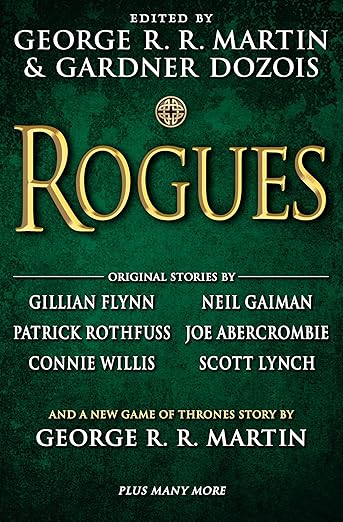
Do you love fantasy? Do you love rogues? If you haven’t discovered it already, you will want to read this wonderful book full of great short fiction:
Rogues, ed. George R. R. Martin and Gardner Dozois (2014)
What a great collection. Some of my favorites from this volume:
George R. R. Martin’s introduction, which explores the concept of the rogue and especially the rogue in fantasy literature. Not all of the stories in the collection are fantasy, but a lot are, and most of them, fantasy or not, are just great. The last story in the collection is also by Martin, although it seems more an explanatory backstory for his ASong of Ice and Fire fantasy series than a true piece of short fiction. Fans of that hugely popular book series and the streaming Game of Thrones series that resulted from it will enjoy this part of the book.
“Tough Times All Over,” by Joe Abercrombie–clever tale set in the fascinating world of Abercrombie’s grimdark First Law series. The story is as tricky and slippery as the main character.
“Bent Twig,” by Joe R. Lansdale–very, very funny, and very, very violent. Crime, not fantasy.
“Roaring Twenties,” by Carrie Vaughan–a story masquerading as a tale of werewolves and witches when actually it’s about a very important historical event.
“A Year and a Day in Old Theradane,” by Scott Lynch–fascinating roguery by the author of the great Gentlemen Bastards series, enlivened by Lynch’s wonderful penchant for describing strange and marvelous drinks. Has there ever been a better rogue than Lynch’s Locke Lamora? Locke isn’t in this story, but it is a very satisfying read featuring a whole gang of rogues.
“Bad Brass,” by Bradley Denton–What a story! Not fantasy either, but. . . it’s the music, not the instrument.
“The Meaning of Love,” by Daniel Abraham. A lovely, wistful story with a great rogue as the main character. This story led me to read Abraham’s matchless Long Price Quartet series.
“Ill Seen in Tyre,” by Steven Saylor is a fun tribute to Fritz Leiber’s Fafhrd and the Gray Mouser. If you are nostalgic for old-style fantasy, you’ll love this one.
“A Cargo of Ivories,” by Garth Nix–ingeniously funny and strange.
“The Lightning Tree,” by Patrick Rothfuss–great story about Bast, one of the most lovable rogues of all time, from The Name of the Wind and The Wise Man’s Fear. This is the reason I bought this book in the first place–to hear more about Bast. Now you can buy this story in a slightly enhanced form as a stand-alone.
Other stories by Neil Gaimon, Connie Willis, and more.
NEXT UP: The last post of Fairytale Fantasy Week 2026
Is one missing from your own list? Here’s one posted on the Internet Movie Database. . Every single Robin Hood movie and video, including a pornographic one, ranked:
What stands out: EVERYONE ranks the 1938 Errol Flynn take on the Robin Hood legend as the best of the best.
The Errol Flynn version, 1938’s The Adventures of Robin Hood, co-stars Olivia deHavilland and Basil Rathbone, both big stars along with Flynn. Find out more about it HERE. The movie, directed by Michael Kurtiz and William Keighly, was shot in Technicolor–a new process at the time, and a thrill for audiences. Rathbone, a combat veteran of World War I and a two-time British Army fencing champion, gave authenticity to the duels between his villainous Sir Guy of Gisbourne and Flynn’s Robin. And Flynn had already made his name as a swashbuckling hero in such films as Captain Blood (1935). I recently re-watched it. I must agree, it is a fine specimen of Hollywood filmmaking in its heyday. But I also have to admit I found it rather forced and dull. I’m not one of those people so spoiled by the production values and CGI special effects and all the rest of contemporary moviemaking that I can’t enjoy a movie from the Flynn era. In fact, I just watched (again!) High Noon (1952), not even in Technicolor, and fell in love with it all over again. I’ll always find Gone With the Wind (1939) thrilling, despite its very problematic origins, and it was made only a year after the Flynn Robin Hood. I don’t know. Many other moviegoers love Flynn as Robin. I’m just not one of them.
Flynn yucking it up with the Merry Men.
Another thing that stands out, at least for me: How highly ranked the Disney cartoon version is, on every list. Ooodalolly! It’s one of my favorites, too. And I know, I KNOW, on this site I never (almost never?) (never say never?) talk about anything Disney. But here it is. Robin Hood and Marion are foxes, Sir Hiss the snake is one of the best Robin Hood villains ever, and the music is charming, with Roger Miller as Alan-a-dale the rooster minstrel singing many cleverly funny songs (“Robin Hood and Little John Running Through the Forest,” “The Phony King of England,” and much more!). It’s the animated Robin Hood from 1973:
I decided not to review the many, many, MANY Robin Hood children’s books out there, so I guess giving a shout-out to this movie is a little bit of a consolation.
Other people like Robin Hood, Prince of Thieves, the 1991 film starring Kevin Costner. Unfortunately, although the movie is really pretty good, the American actor Costner’s terrible attempt at a British accent came in for a lot of criticism.
Some people even like the Russell Crowe Robin Hood movie (2010). I hated it, personally. It’s as if the movie forgot it was about Robin and started filming Patrick Henry instead. True, there are modern additions to the legend that credit Robin with helping to drive King John to sign the Magna Carta, so this may be mean-spirited and American of me. Also, I think Russell Crowe, whatever he’s like personally, is a great actor. I think Ridley Scott is a great director.
Another fan favorite: The broad and silly humor of Robin Hood: Men in Tights, directed in 1993 by the incomparable Mel Brooks. This may not be the finest of all Mel Brooks movies, but it is beloved by many who have turned it into a cult classic, with its tag line “The Legend Had It Coming.” It stars Cary Elwes, who had earlier (1987) starred in the much, much better Princess Bride. But who can resist goofy scenes like this, including parodies of the Errol Flynn scene when he flings a deer onto the Sheriff of Nottingham’s table, and the Kevin Costner movie’s addition of a Saracen to give the lily-white story a little color?
Robin Hood on the small screen: Many people remember televised Robin Hoods with great fondness, especially The Adventures of Robin Hood, a British series airing in the late ’50s, starring Richard Greene. There are others–see the lists at the beginning of this post. A Robin Hood series produced by BBC-One appeared in 2005/6. And a new Robin Hood series produced by MGM+ began streaming in 2025 (in the U.S., on Amazon Prime) and has been signed to a second season. Find out about it HERE.
Robin Hood on Stage
Robin Hood has been a staple of live drama since almost the inception of the legend. Scholars have discovered texts of very early Robin Hood plays dating from the 15th century, while the ballads were flourishing. See Early English Performance: Medieval Plays and Robin Hood Games: Shifting Paradigms in Early English Drama Studies, John Marshall and Philip Butterworth (2020). Later, Anthony Munday, a contemporary of Shakespeare, wrote two Robin Hood-themed plays in the late 16th century. From there, the Robin Hood dramatic catalogue has grown. And grown. HERE is one of the many services offering simple Robin Hood dramas for performances in schools and community theaters.
I recently read a play that was commissioned in 2011 for the Royal Shakespeare Company: The Heart of Robin Hood, by David Farr. Reading the play didn’t do a lot for me. Looking at trailers for various stage productions of it, though, really made me want to see it. If it ever shows up at a theater near you, you might want to buy a ticket. Here’s a clip from the people involved with that first RSC production, explaining how and why they brought the Robin Hood story to life:
And here’s what the Ed Mirvish Theater in Toronto did with Farr’s play in 2014:
I love live theater! You can do so many different things with the same play.
But Robin Hood’s story doesn’t have to be acted out on a stage. There are many ways the rougish fellow can enter your life. Take a look at one of the legions of “Renaissance Faires” throughout the U.S. that invite ordinary people to dress up and playact medieval times. Here is Connecticut’s Robin Hood’s Medieval Faire. What is theater if not pretend? And maybe this kind of informal performing comes closest of all to the atmosphere in which real medieval people crowded around strolling players and minstrels to hear ballads and stories about one of their most popular heroes.
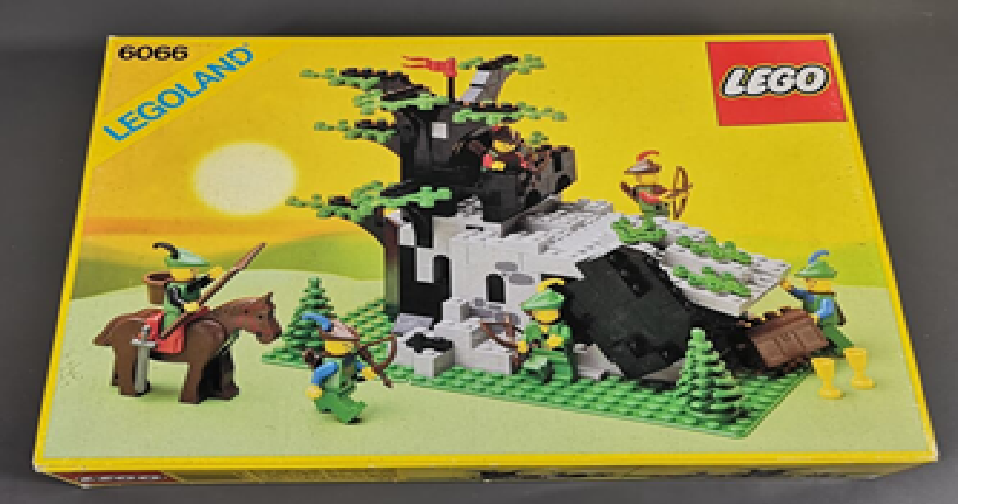
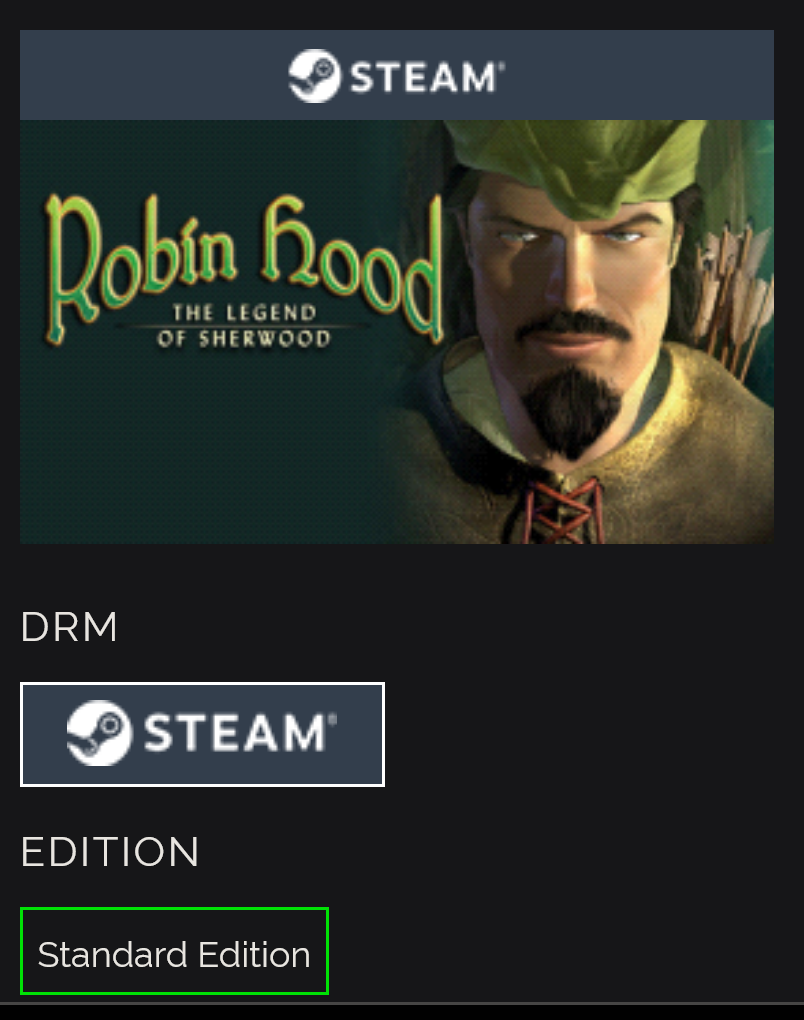
I could go on and on about this. Robin Hood games? Yes, there are board games and video games. Robin Hood toys? Yes! More Robin Hood songs? Yes! Robin Hood is everywhere, and in many different forms and venues.
Coming Up Next: Robin Hood the Rogue We Love to Love
 Fantastes
You must be logged in to post a comment.