Robin Hood doesn’t just live in books. He didn’t start out in books, and he has not stayed safely between book covers. Robin gets around!
Robin Hood Goes to the Movies
A number of sites rank the Robin Hood movies from worst to best. Here’s a good list:
https://screenrant.com/best-robin-hood-movies-ranked/
Here’s another one:
https://ew.com/best-robin-hood-movies-ranked-8675112
And another:
https://www.ranker.com/list/the-best-robin-hood-movies/ranker-film
Is one missing from your own list? Here’s one posted on the Internet Movie Database. . Every single Robin Hood movie and video, including a pornographic one, ranked:
https://www.imdb.com/list/ls569073902/
What stands out: EVERYONE ranks the 1938 Errol Flynn take on the Robin Hood legend as the best of the best.
The Errol Flynn version, 1938’s The Adventures of Robin Hood, co-stars Olivia deHavilland and Basil Rathbone, both big stars along with Flynn. Find out more about it HERE. The movie, directed by Michael Kurtiz and William Keighly, was shot in Technicolor–a new process at the time, and a thrill for audiences. Rathbone, a combat veteran of World War I and a two-time British Army fencing champion, gave authenticity to the duels between his villainous Sir Guy of Gisbourne and Flynn’s Robin. And Flynn had already made his name as a swashbuckling hero in such films as Captain Blood (1935). I recently re-watched it. I must agree, it is a fine specimen of Hollywood filmmaking in its heyday. But I also have to admit I found it rather forced and dull. I’m not one of those people so spoiled by the production values and CGI special effects and all the rest of contemporary moviemaking that I can’t enjoy a movie from the Flynn era. In fact, I just watched (again!) High Noon (1952), not even in Technicolor, and fell in love with it all over again. I’ll always find Gone With the Wind (1939) thrilling, despite its very problematic origins, and it was made only a year after the Flynn Robin Hood. I don’t know. Many other moviegoers love Flynn as Robin. I’m just not one of them.
Another thing that stands out, at least for me: How highly ranked the Disney cartoon version is, on every list. Ooodalolly! It’s one of my favorites, too. And I know, I KNOW, on this site I never (almost never?) (never say never?) talk about anything Disney. But here it is. Robin Hood and Marion are foxes, Sir Hiss the snake is one of the best Robin Hood villains ever, and the music is charming, with Roger Miller as Alan-a-dale the rooster minstrel singing many cleverly funny songs (“Robin Hood and Little John Running Through the Forest,” “The Phony King of England,” and much more!). It’s the animated Robin Hood from 1973:
I decided not to review the many, many, MANY Robin Hood children’s books out there, so I guess giving a shout-out to this movie is a little bit of a consolation.
Other people like Robin Hood, Prince of Thieves, the 1991 film starring Kevin Costner. Unfortunately, although the movie is really pretty good, the American actor Costner’s terrible attempt at a British accent came in for a lot of criticism.
Some people even like the Russell Crowe Robin Hood movie (2010). I hated it, personally. It’s as if the movie forgot it was about Robin and started filming Patrick Henry instead. True, there are modern additions to the legend that credit Robin with helping to drive King John to sign the Magna Carta, so this may be mean-spirited and American of me. Also, I think Russell Crowe, whatever he’s like personally, is a great actor. I think Ridley Scott is a great director.
Another fan favorite: The broad and silly humor of Robin Hood: Men in Tights, directed in 1993 by the incomparable Mel Brooks. This may not be the finest of all Mel Brooks movies, but it is beloved by many who have turned it into a cult classic, with its tag line “The Legend Had It Coming.” It stars Cary Elwes, who had earlier (1987) starred in the much, much better Princess Bride. But who can resist goofy scenes like this, including parodies of the Errol Flynn scene when he flings a deer onto the Sheriff of Nottingham’s table, and the Kevin Costner movie’s addition of a Saracen to give the lily-white story a little color?
Robin Hood on the small screen: Many people remember televised Robin Hoods with great fondness, especially The Adventures of Robin Hood, a British series airing in the late ’50s, starring Richard Greene. There are others–see the lists at the beginning of this post. A Robin Hood series produced by BBC-One appeared in 2005/6. And a new Robin Hood series produced by MGM+ began streaming in 2025 (in the U.S., on Amazon Prime) and has been signed to a second season. Find out about it HERE.
Robin Hood on Stage
Robin Hood has been a staple of live drama since almost the inception of the legend. Scholars have discovered texts of very early Robin Hood plays dating from the 15th century, while the ballads were flourishing. See Early English Performance: Medieval Plays and Robin Hood Games: Shifting Paradigms in Early English Drama Studies, John Marshall and Philip Butterworth (2020). Later, Anthony Munday, a contemporary of Shakespeare, wrote two Robin Hood-themed plays in the late 16th century. From there, the Robin Hood dramatic catalogue has grown. And grown. HERE is one of the many services offering simple Robin Hood dramas for performances in schools and community theaters.
I recently read a play that was commissioned in 2011 for the Royal Shakespeare Company: The Heart of Robin Hood, by David Farr. Reading the play didn’t do a lot for me. Looking at trailers for various stage productions of it, though, really made me want to see it. If it ever shows up at a theater near you, you might want to buy a ticket. Here’s a clip from the people involved with that first RSC production, explaining how and why they brought the Robin Hood story to life:
And here’s what the Ed Mirvish Theater in Toronto did with Farr’s play in 2014:
I love live theater! You can do so many different things with the same play.
But Robin Hood’s story doesn’t have to be acted out on a stage. There are many ways the rougish fellow can enter your life. Take a look at one of the legions of “Renaissance Faires” throughout the U.S. that invite ordinary people to dress up and playact medieval times. Here is Connecticut’s Robin Hood’s Medieval Faire. What is theater if not pretend? And maybe this kind of informal performing comes closest of all to the atmosphere in which real medieval people crowded around strolling players and minstrels to hear ballads and stories about one of their most popular heroes.
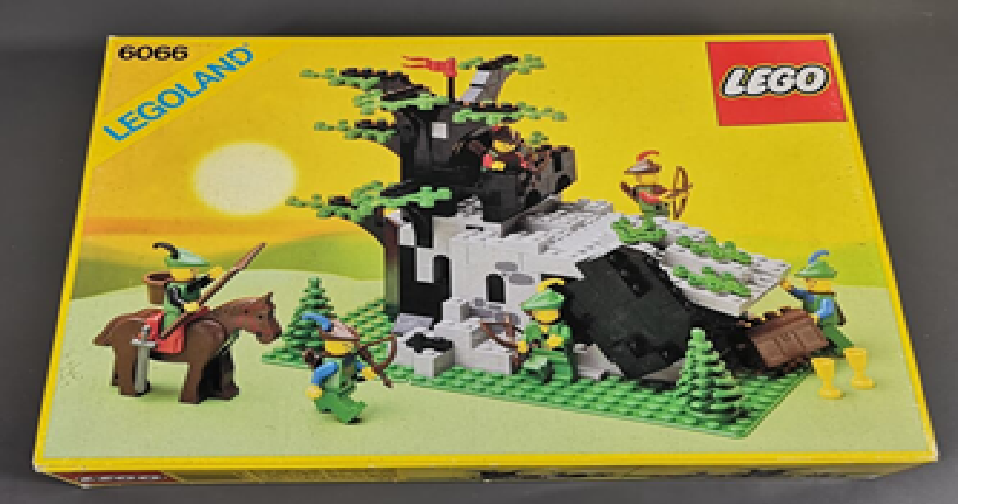
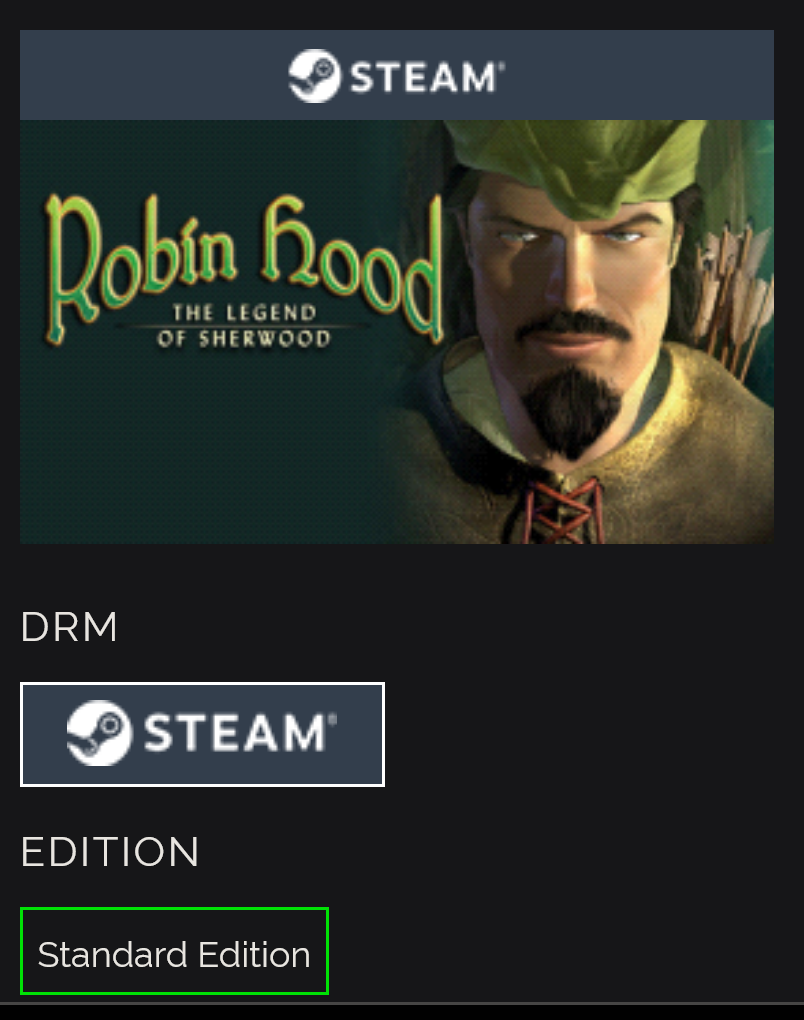
I could go on and on about this. Robin Hood games? Yes, there are board games and video games. Robin Hood toys? Yes! More Robin Hood songs? Yes! Robin Hood is everywhere, and in many different forms and venues.
 Fantastes